


Blidz - Shop Deals, Save Money
4.335.06K Reviews
App Specs
- Version
- 6.8.53
- Updated On
- License
- Free
- Downloads
- 1,000,000+
- Developer
- Blidz
- Categories
- Shopping
- Platform
- Android
Screenshots




 Analysis by AppCompare
I approached Blidz as a shopping app rather than a conventional online store. Its main appeal is the chance to browse deals while using a more social, reward-oriented style of shopping. That makes it feel different from simply opening a retailer, searching for a product, and checking out. In my experience, the app is most interesting when I treat it as a place to discover offers and promotions, not as my only destination for every purchase.
Blidz is developed by Blidz and sits in the shopping category. It is free to install, which makes trying it relatively easy, although the presence of in-app purchases means “free” should not be confused with “every part of the experience costs nothing.” The app is rated for Mature audiences aged 17 and over, an important detail for households where younger users may share a phone or tablet.
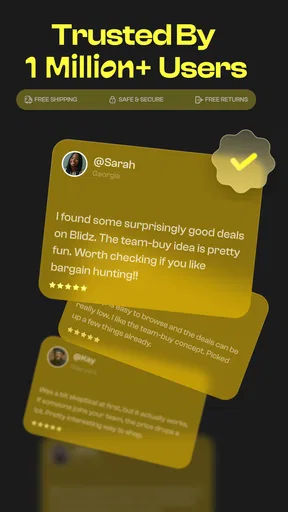
The service has been around since October 14, 2015, and its current listing identifies version 6.8.53 as the version in use. Support for Android begins with version 7.0, so anyone using an older device should check compatibility before planning around it. With more than a million installs, a 4.3 average from roughly 188 thousand ratings, and about 35 thousand written reviews, it has attracted a substantial audience rather than remaining a small experimental marketplace.
How the free shopping experience creates value
The clearest financial fact is simple: downloading and accessing the app does not require an upfront purchase. That gives me room to explore its shopping format before deciding whether it fits my habits. The more complicated part is the in-app purchase range, listed at $12.99 to $39.99 per item. I would therefore separate three questions: whether the app is free to try, whether a particular deal is genuinely useful, and whether any optional purchase improves the overall value for me.
That distinction matters because deal-focused apps can encourage browsing even when I did not originally intend to shop. A free entry point is helpful, but it can also make it easy to spend time comparing promotions or to feel that I should act quickly. I get the best results when I decide what I am looking for before opening the app. A short shopping list keeps the experience focused and makes it easier to judge whether an offer is better than buying the same kind of item through a familiar retailer.
I also avoid treating a displayed saving as an automatic bargain. The useful comparison is the final amount I would actually pay, including any applicable purchase costs shown during checkout, and the amount charged by ordinary alternatives. A discount only has meaningful value if the product is something I wanted, the total is competitive, and the purchase terms suit me. This is especially important when a promotion is presented with a social or reward element that makes the shopping process feel more like an event.
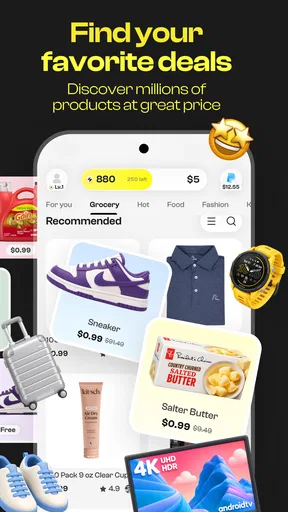
For me, the strongest value comes from discovery. I can browse products and promotions in one place, notice items I might otherwise miss, and decide whether they belong on my real shopping list. That is different from the value offered by a standard retailer, where I usually arrive with a specific product in mind. Blidz is better suited to exploring possibilities, while a conventional store is often more efficient when I already know the exact model, size, color, or brand I want.
Worth Reading Before You Choose

EA SPORTS FC Mobile 26 Is a Bigger Football Game, but It Takes Time

Flipboard Shows What News Apps Must Do Beyond the Feed

Switching to Android Auto Means Rethinking Your Driving Routine

Google Calendar Makes a Crowded Week Easier to Manage

Ludo King Makes the Most of the Minutes Between Plans

Baby Panda World Brings Quick Play to Modern Phones, but Its Game Library Feels Busy
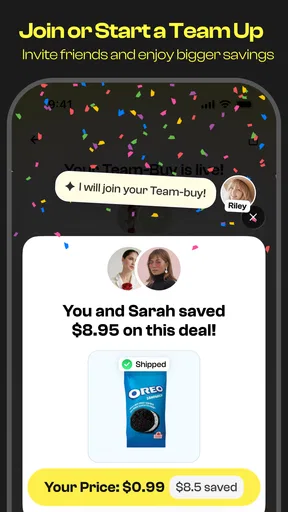
The social-shopping angle also changes how I think about the app. It is not merely a catalogue of shelves. The experience is designed around deals, rewards, and promotional activity, so some users may enjoy checking what is available and sharing the discovery with friends or family. I see that as an optional layer rather than the reason everyone should use it. If I prefer quiet, direct shopping with no extra interaction, the app may feel busier than a basic retailer.
What I would check before spending
My first practical habit is to read the offer carefully instead of relying on the headline. I look at the actual item, the quantity, the final checkout amount, and any conditions attached to the promotion. This is a useful workflow for any deal platform, but it matters even more here because the app combines shopping with rewards and social activity. The more moving parts an offer has, the less sensible it is to make a decision from the first screen alone.
My second habit is to compare like with like. A lower price is not necessarily a better deal if the alternative includes a more suitable product, a clearer return process, or a shopping routine I already trust. I would open the app with a specific comparison in mind: perhaps a household item I need soon, rather than an open-ended search for anything interesting. That approach turns browsing into a controlled test of value.
A third useful tactic is to separate browsing sessions from buying sessions. I can look through promotions when I have spare time, then return later to decide whether an item still makes sense. This reduces the pressure that can come from seeing an attractive offer while distracted or in a hurry. It also helps me notice whether I wanted the product itself or simply reacted to the presentation of the deal.
I would also keep the purchase range in mind before exploring optional spending. The listed in-app purchase amounts run from $12.99 to $39.99 per item, so I would not assume that every useful part of the service is covered by the free download. I would review the price shown for the specific item or option I am considering and make sure it fits my budget before confirming anything.
Where the app differs from ordinary shopping apps
Compared with a traditional retailer app, Blidz puts more emphasis on the feeling of finding a deal. A standard store generally helps me search, filter, compare, and reorder. Blidz is more appealing when I want the shopping journey itself to include promotions, rewards, and a social dimension. That can make browsing more engaging, especially for someone who enjoys discovering products rather than repeating the same weekly order.
The trade-off is efficiency. If I already know the exact item I need, the usual retailer may be the better tool because its purpose is more direct. I can go straight to a product page, compare familiar options, and finish without spending time on promotional browsing. Blidz earns its place when its deal-oriented format produces a useful opportunity, not simply because it is another place to search.
It also differs from a price-comparison service. A comparison tool is usually built around checking the same product across sellers. Blidz feels more like a shopping destination with its own promotional atmosphere. I would use a comparison service when the lowest total price is my only priority, and I would use Blidz when I am open to discovering an offer and possibly engaging with the social side of shopping.
That difference explains why opinions may vary. Someone who enjoys reward programs and deal hunting may find the format motivating. Someone who dislikes promotional prompts or prefers a predictable checkout may see extra friction. Neither reaction is unreasonable; the app is asking me to shop in a particular way, rather than simply copying the structure of a basic online catalogue.
Everyday situations where it makes sense
Imagine I am preparing for a small home project and need several inexpensive supplies, but I am flexible about the exact brand. I could use Blidz to browse for relevant deals, note the products that genuinely fit the project, and compare the final cost with a familiar store. The app is useful in that situation because discovery is part of the task. I am not locked into one exact product, so a promotion can influence the decision without undermining it.
Now imagine I need a very specific replacement item before tomorrow. In that case, I would probably start with a retailer I already know or a service that makes availability and delivery details easy to assess. The social-shopping format is less valuable when speed and certainty matter more than finding an entertaining deal. This is one of the clearest cases where I would skip Blidz for that particular purchase.
It can also suit a shopper who enjoys looking for gift ideas. I might browse without knowing the final choice, save a few possibilities mentally, and use the promotional presentation to find something outside my usual routine. I would still set a spending limit first. Gift shopping can turn into unnecessary buying quickly when the app makes browsing feel rewarding in its own right.
For a regular household shopper, I would use it selectively rather than replacing every other store. I might check it for non-urgent purchases, seasonal ideas, or products where I am willing to trade some search efficiency for the possibility of a deal. I would not depend on it for a strict, repeatable shopping list unless its specific offers consistently beat the alternatives I already use.
Small frictions that affect the decision
The first limitation is that deal discovery can blur the line between saving and spending. A promotion may feel valuable simply because it is framed as a special opportunity. I have to bring my own discipline to the process: decide what I need, compare the total, and walk away when the product is only mildly interesting. Users who are easily pulled into impulse shopping should be especially careful.
The second limitation is that social features are not automatically useful to everyone. If I shop alone and do not want to share recommendations or involve other people, that part of the experience may add little. A conventional shopping app may feel cleaner because it removes the need to think about the social layer. Blidz is more compelling when that layer feels enjoyable rather than intrusive.
The third limitation is the need to understand optional spending. The app is free to install, but in-app purchases are listed between $12.99 and $39.99 per item. I would treat every purchase screen as a separate decision and avoid assuming that an apparent reward or promotion has no financial consequence. This is not a reason to reject the app outright, but it is a reason to use it with a clear budget.
The Mature 17+ rating is another practical consideration. Adults can assess whether the shopping and promotional style suits them, but parents should not treat the free download as automatically appropriate for children. If a device is shared, I would make sure the account holder understands the purchase possibilities and the way the app encourages engagement with deals.
Device compatibility is straightforward but still worth checking. The listed minimum is Android 7.0, so newer phones should be in a comfortable position, while older hardware may not meet the requirement. I would verify the operating system before spending time setting up an account or planning to use the app for a time-sensitive purchase.
Who is most likely to get real value?
I think Blidz is a good match for adults who enjoy deal hunting, are comfortable browsing before buying, and like the idea of social shopping rather than a purely functional checkout. It is particularly suitable for flexible purchases where I can compare a few options and wait for a promotion to make sense. The free access makes it easy to test that style without committing money at the download stage.
It is also a reasonable choice for someone who wants shopping and promotional discovery in the same place. The app can add variety to a routine that has become repetitive, especially when I am not searching for one exact product. The important condition is that the user remains in control of the decision instead of allowing the promotion to define the need.
I would recommend caution for people with a strict “buy only what is on my list” approach. A standard retailer or grocery service may be more comfortable because it supports a direct, repeatable workflow. I would also point cautious shoppers toward familiar alternatives when product details, delivery expectations, or a simple return process are more important than the excitement of finding a deal.
Budget-conscious users can still try it, but I would define “budget-conscious” as careful comparison rather than automatic enthusiasm for discounts. The free download is useful, yet the listed in-app purchase range means I would monitor spending closely. The app can help me find value only when I compare the offer with what I would otherwise buy and resist purchases that were not part of my plan.
My buy-or-skip verdict
I would try Blidz if I were curious about social shopping and wanted a free way to explore promotions. Its established audience, 4.3 average rating, and more than a million installs suggest that it has moved well beyond the stage of being an unknown experiment. Those figures do not guarantee that every deal will suit me, but they make the app worth evaluating on my own device.
I would not install it expecting a universal replacement for ordinary retailers. Its value depends on how much I enjoy browsing, discovering offers, and weighing promotional opportunities. When I need a specific product quickly, want the shortest possible path to checkout, or dislike reward-focused shopping, another app is likely to serve me better.
My final recommendation is conditional but positive: try the free experience, begin with a defined shopping need, compare the complete cost with familiar alternatives, and treat every optional purchase as a separate budget decision. The real value is not the promise of a discount; it is finding a useful product at a total cost that still makes sense after the excitement of the promotion fades. Used that way, Blidz can be an enjoyable addition to my shopping toolkit. Used without a plan, it may turn browsing into spending rather than saving.
Pros
- Gamified shopping makes browsing deals more engaging.
- Frequent flash sales can offer discounts on everyday products.
- Referral rewards may help users earn extra shopping credits.
- Product categories make it easy to explore different types of deals.
- The app regularly highlights limited-time offers and promotions.
Cons
- Some deals may have limited stock or sell out quickly.
- Prices and promotions can change without much notice.
- Shipping times may vary depending on the seller and location.
- Rewards and credits can include eligibility rules or restrictions.
- Product quality and seller reliability may differ between listings.
FAQs for Blidz - Shop Deals, Save Money
What is Blidz - Shop Deals, Save Money?
Blidz is a shopping app focused on discounted products, limited-time offers, and interactive deal formats that can help users find lower prices on items across different categories. After browsing the app, shoppers can explore product listings, review available promotions, and place orders directly from their mobile device. The exact selection, pricing, and availability may change frequently, so it is worth checking the complete product details before buying.
Is Blidz safe and legitimate to use?
Blidz appears to operate as a mobile shopping marketplace where users can discover products and complete purchases through the app. As with any online marketplace, shoppers should review seller information, product descriptions, ratings, shipping details, and return conditions before ordering. It is also sensible to use a secure payment method, avoid sharing unnecessary personal information, and contact customer support if an order or promotion does not work as expected.
How do the deals and games on Blidz work?
Blidz may present discounts through standard product promotions as well as interactive shopping features, such as limited-time events, group-style deals, or game-like activities. These features can make browsing more engaging, but the conditions may vary by product and promotion. Before participating, check the rules, required actions, time limits, eligibility requirements, and final price so you understand whether the offer is a genuine discount and what is required to complete the purchase.
Can I return products purchased through Blidz?
Return and refund options depend on the product, seller, order status, and the marketplace policy that applies to the purchase. Before placing an order, open the item’s return information and verify the allowed return period, shipping responsibility, refund method, and any exclusions. Keep order confirmations, packaging, and photos of damaged or incorrect items, since this information may be useful when requesting support or resolving a dispute.
Does Blidz offer free shipping, and are there extra costs?
Shipping costs and delivery times can differ depending on the product, seller, destination, order value, and current promotion. Some listings may advertise free or reduced shipping, while others can add delivery charges, taxes, or other fees at checkout. For that reason, do not rely only on the headline deal price. Review the final checkout total, estimated arrival date, and shipping terms before confirming payment.


